
Pie For Breakfast
And Other Inalienable Rights

Here’s another thing I love about The Wife. Even before we moved to Vermont six years ago, she’d turn to me on a lovely Saturday afternoon and say, “Think of all the people getting married today, what beautiful weather.” Or, when it rained, she’d fret, “Oh, I hope all the brides are OK, what a shame with this weather.”
Things that had never occurred to me.
It didn’t take long living in a rural area for me to think of how the weather impacts the farmers. We live in one of the biggest farming counties in Vermont and come June the vegetable farms are booming. We’ve got our favorite places to pick strawberries and blueberries each year, and I find myself looking at the weather channel app hoping the skies, for the farmers and the brides alike, play nice.
A few rained out weekends in June and there go your strawberries, which for some farms provides a bulk of their yearly profits.
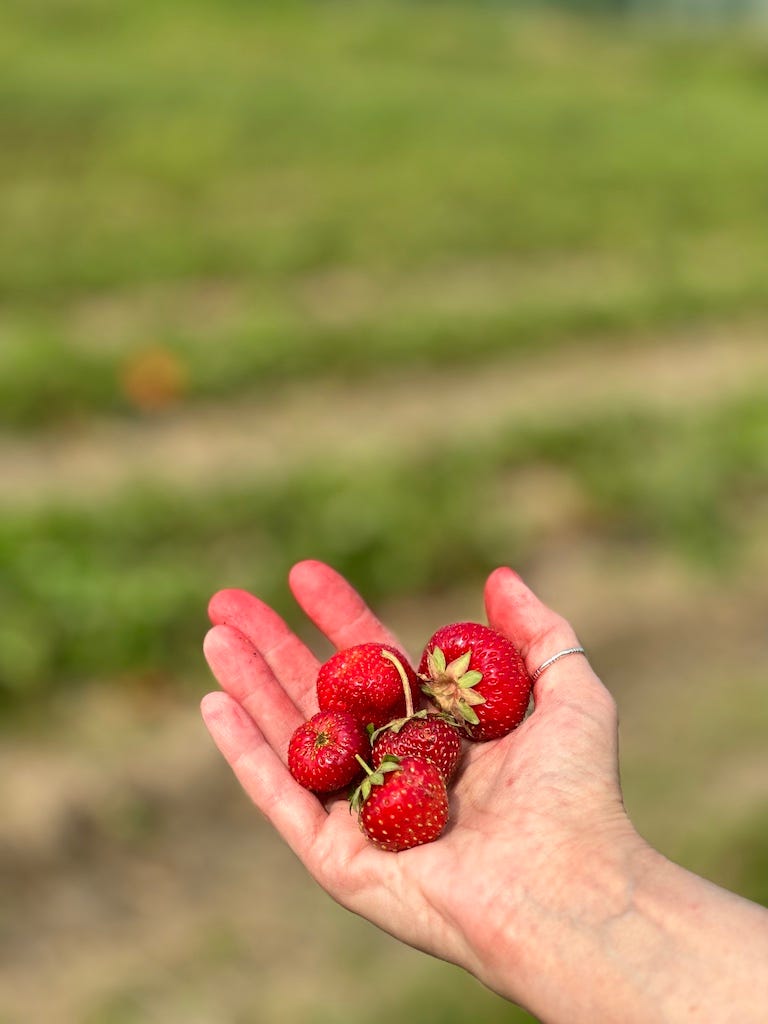
This June has been a dream. It’s hot now but there’ve been plenty of temperate days and cool nights. We’re in peak strawberry season. I’ve been too busy to go picking— because when I do I come away with a ton of berries, not a few.
Which means a pie, maybe strawberry shortcake, but mostly it means jam.
My mother made jam every summer of my childhood. Just as my grandmother made jam during my mother’s youth. Strawberry, apricot, peach, blueberry, plum—gooseberry!—and of course, currant jelly.
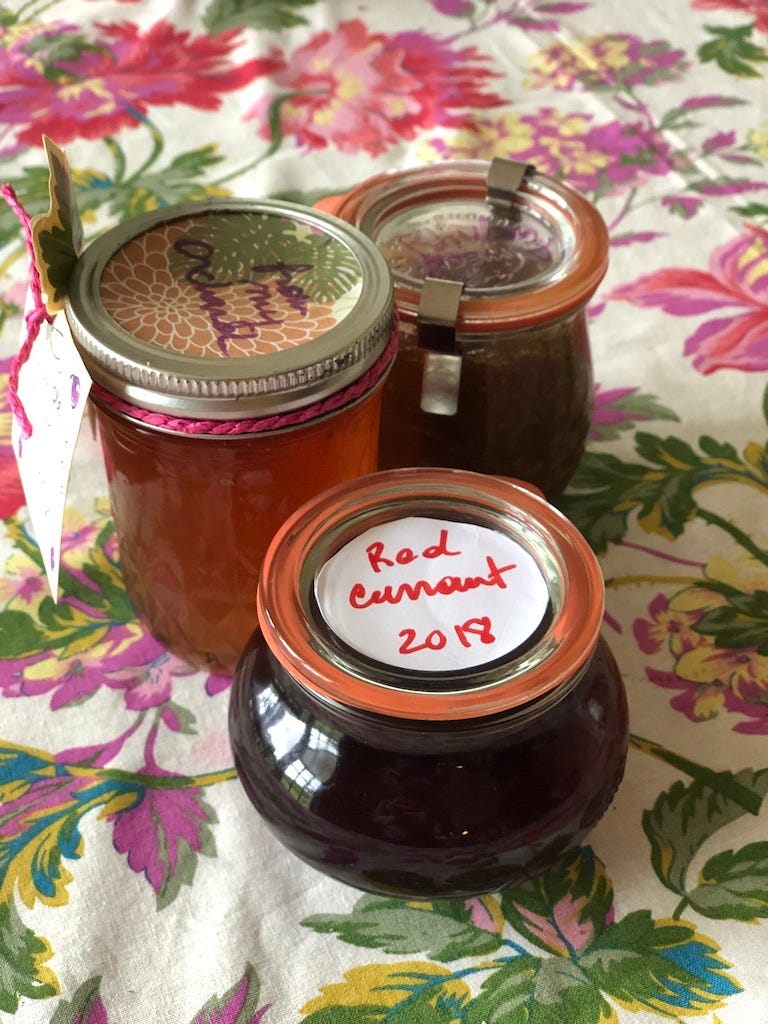
Well, there was currant jam made from black currants—also used for cassis—and the deep red clear jelly made from the red currants. The black currant jam was fine, but like blueberry jam disappointed, sweet yet dull. The red currant jelly, on the other hand, was sweet and tart.
As a kid, I occasionally spent a few weeks in Belgium during the summer visiting my grandparents. My immediate concern each day was not navigating the language barrier but finding something I could eat that wouldn’t kill me. I was a picky eater and an American eater, ridiculed for liking only hamburgers and ketchup. They could make fun of me all they wanted, I just didn’t want to die.
We were expected to eat everything on our plate and when visiting relatives that could mean a snappy lunch of steak tartare—which they had the nerve to call Steak American. Kids on TV used to put their napkin over anything uneaten on their plate but we couldn’t get away with that shit.
I would place a forkful in my mouth, pause, pretend to swallow—and not gag—and then wash it down with a gulp of water—and not gag.
The safest meal of the day was breakfast. I was allowed to sleep late and eat by myself in the kitchen. The windows open, the air cool, the smell of cows from the pasture next door, French voices coming from a transistor radio. I brewed a cup of English Breakfast tea. My grandmother’s father had spent WWI in England and acquired the habit. I ate slices of fresh bread, butter and red currant jelly, the sour and sweet a bright, promising way to greet the day.
My mother’s family liked to indulge but had a European sense of proportion—to pig out was just not done. But I could have as many slices of bread and jam in the morning as I liked.
And I loved it.
“You got here just in time!” my mother told me a couple of weeks ago. “The currants are ready to pick.” She waited for me to pick the berries from two of the currant bushes she brought with her from Vermont when she moved a few years ago. She also still has a black currant bush that originated at my grandmother’s in Belgium in the ’90s—Mom brought home a branch, it flourished into a bush and she’s had it ever since.
She meant to dig up a couple of the red currant bushes in Vermont, but grabbed the pink champagne variety instead.
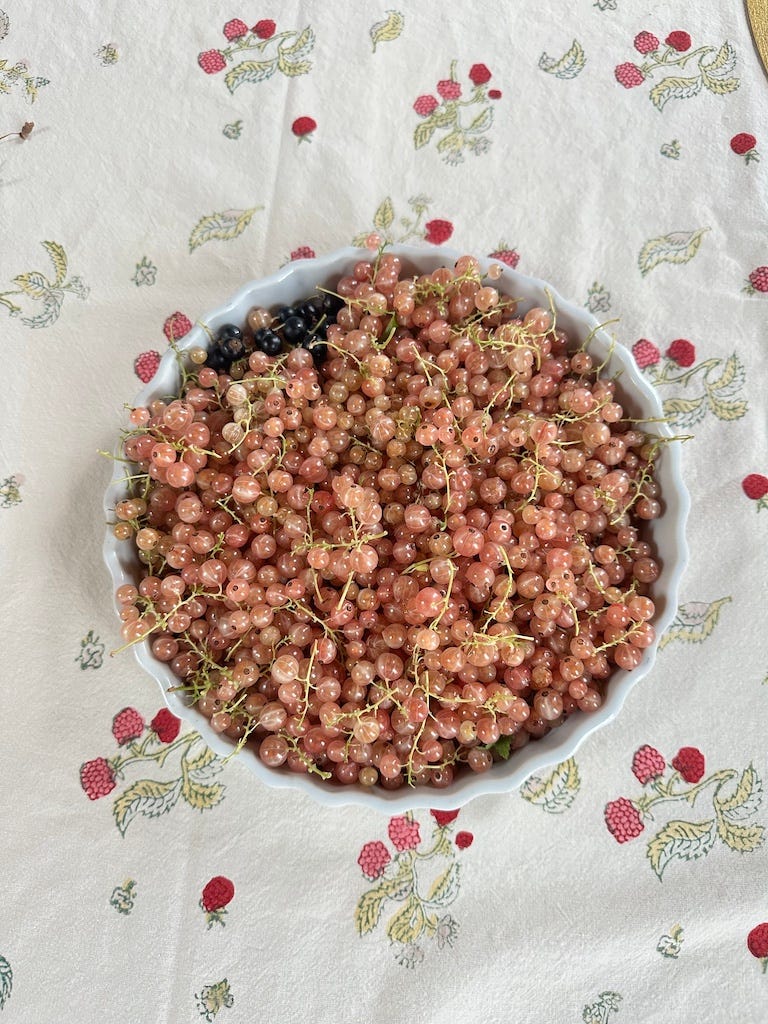
We picked them clean one morning before breakfast. I took them home with me and the next day made jelly consulting one of Mom’s favorite cookbooks—Mes Confitures: The Jams and Jellies of Christine Ferber (1997). When it was translated into English she got me a copy; and as a birthday gift this year, she and my stepfather got me a set of Weck jam pots.
Managed to get three and a quarter jars worth of jam—and look at that peach-colored pink!
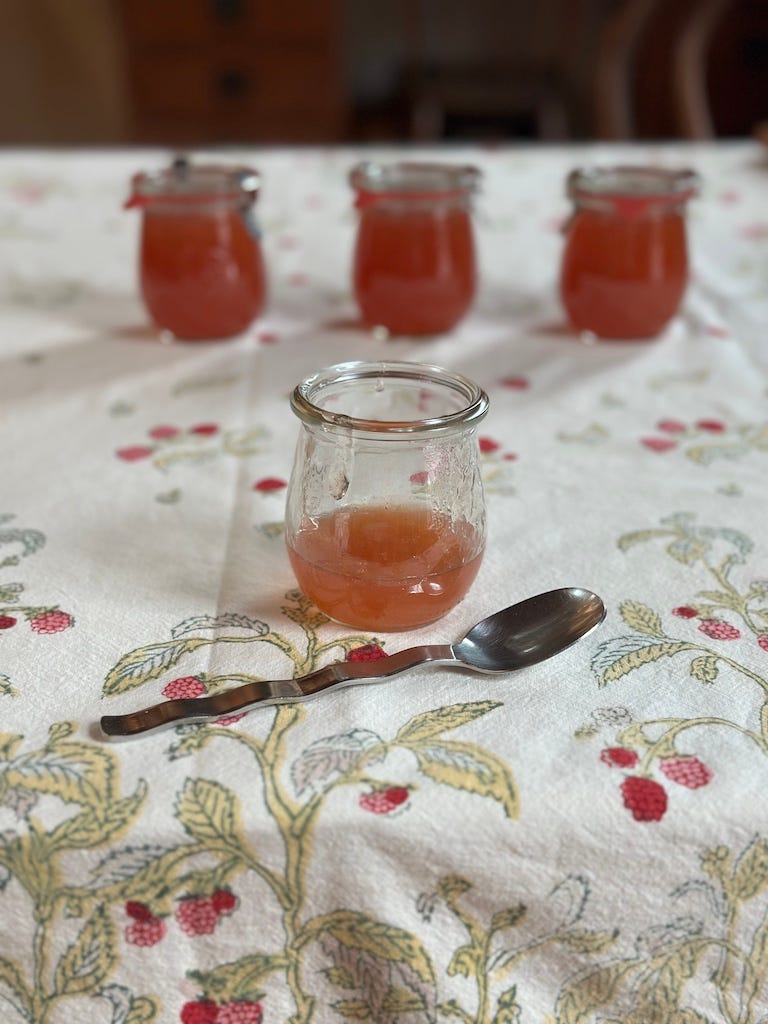
I’ll bring them down to Ma in a couple of weeks.
Earlier in the month, she made us a tasty riff on Strawberry shortcake from “my friend Martha Stewart.” Mom has been reading Martha since the Entertaining days in the ’80s, and still uses her recipes. Make fun of Martha all you want, the recipes are reliable like this one from Martha Stewart’s Fruit Desserts.
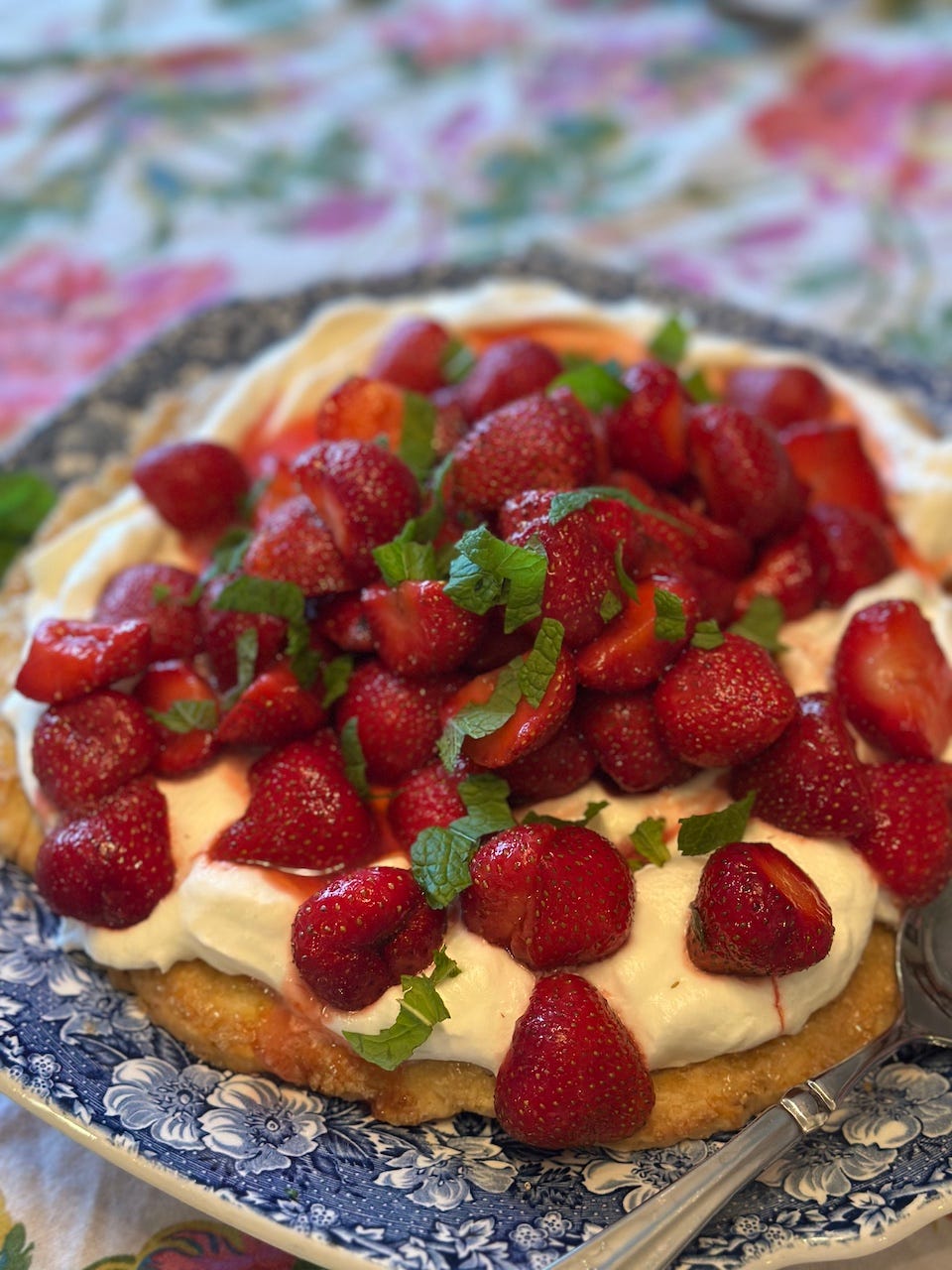
No jam this year but I did pick up some freshly picked berries last Friday. Rhubarb, too because it was too pretty to pass up.
Count rhubarb as one of those grown-up flavors it took me awhile to appreciate. I didn’t dare try it as a kid. It wasn’t until I had a strawberry rhubarb pie from that New York pie-making institution, Umanoff & Parsons, when I was a teenager that I changed my mind.
I first had their strawberry rhubarb pie at a short-lived retro diner pie-shop on the southwest corner of Amsterdam Avenue and 80th Street. And they were always featured alongside the devastating Umanoff & Parssons chocolate mousse pie in the after-meeting gatherings my father had with his recovery pals in the ’80s; cramped Manhattan apartments, the smell of strong coffee and cigarettes. Strawberry and rhubarb to the rescue.
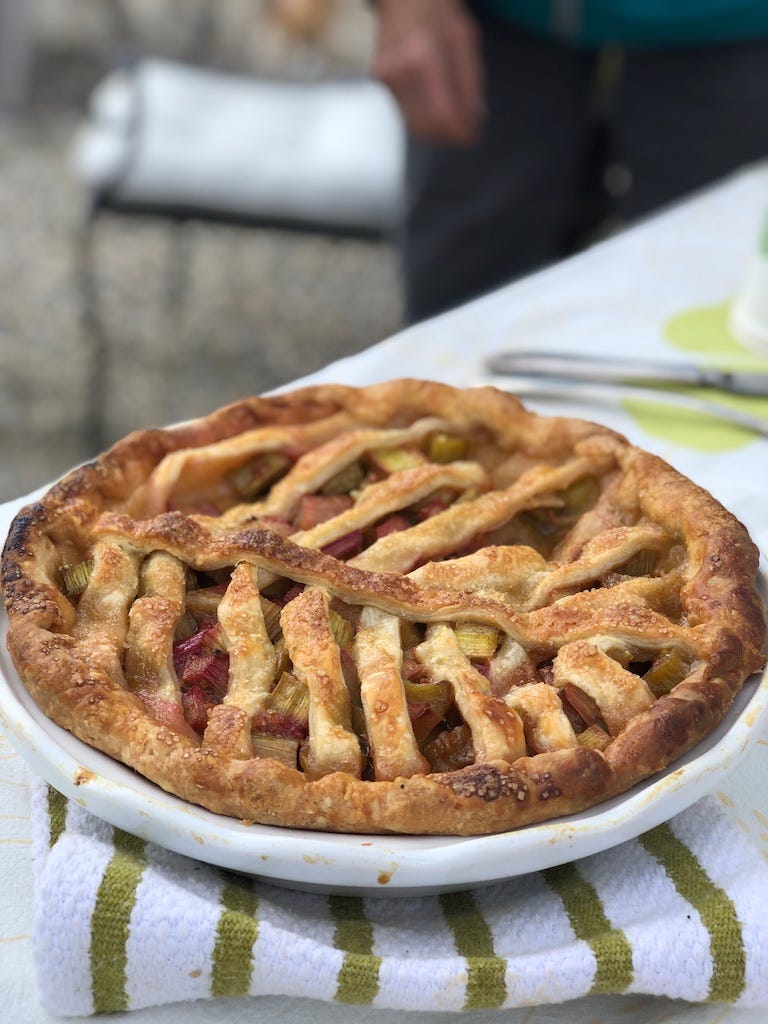
I usually make a strawberry rhubarb pie every June.
This year I used a pie dough from Nicole Rucker, the fabulous L.A.-based baker, whose most recent book, Fat + Flour, is a real winner. She uses a stand mixer which may seem a little fussy—or it would to my Ma who is more of a rustic gal. Turns out, it’s not so fussy and cleaning the bowl for the stand mixer is easier than cleaning one for the food processor—though again, my mother wouldn’t use either.
For the fruit, well, I always turn to the good people at Cook’s Illustrated-America’s Test Kitchen to address how to deal with the liquid in the berries and rhubarb. Cook them ahead of baking is the answer—the Times does a version of this in their recent rhubarb and roasted strawberry pie recipe.
Fussy for sure but also fool-proof, I vouch for the recipe in The Perfect Pie.
They call for tapioca as a thickener; Jacques Pepin prefers potato starch. “As for me, I’m a flour girl,” says my mother.
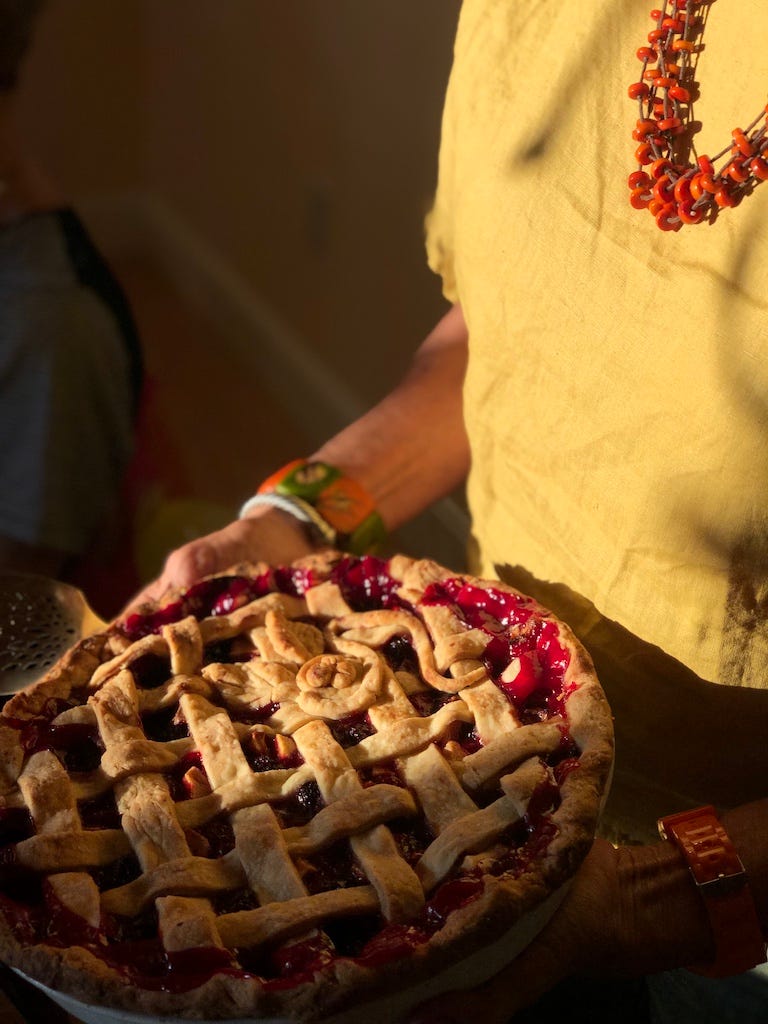
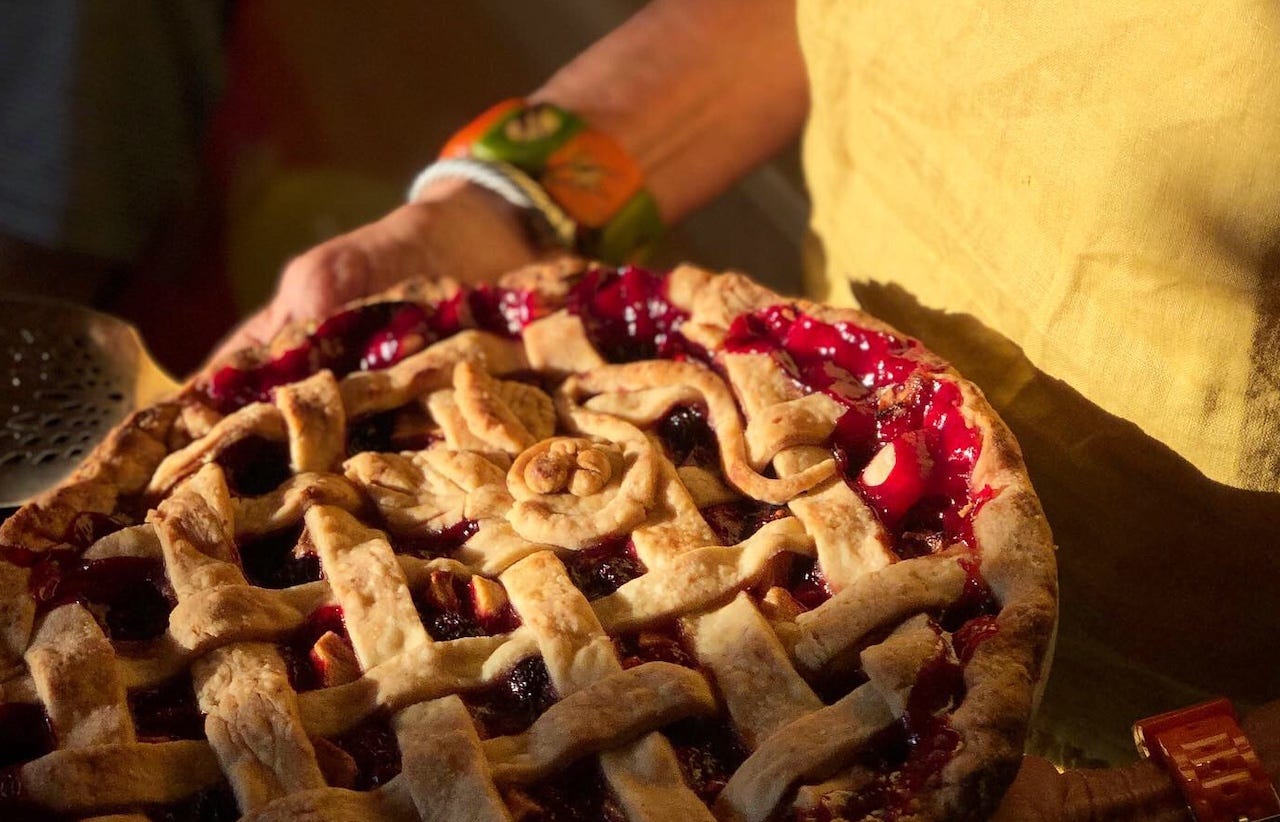
When I put the fruit in the shell I reserved some of the juice and still the pie flooded. But what a sexy-looking red, am I right? The inside was cooked through without being runny.
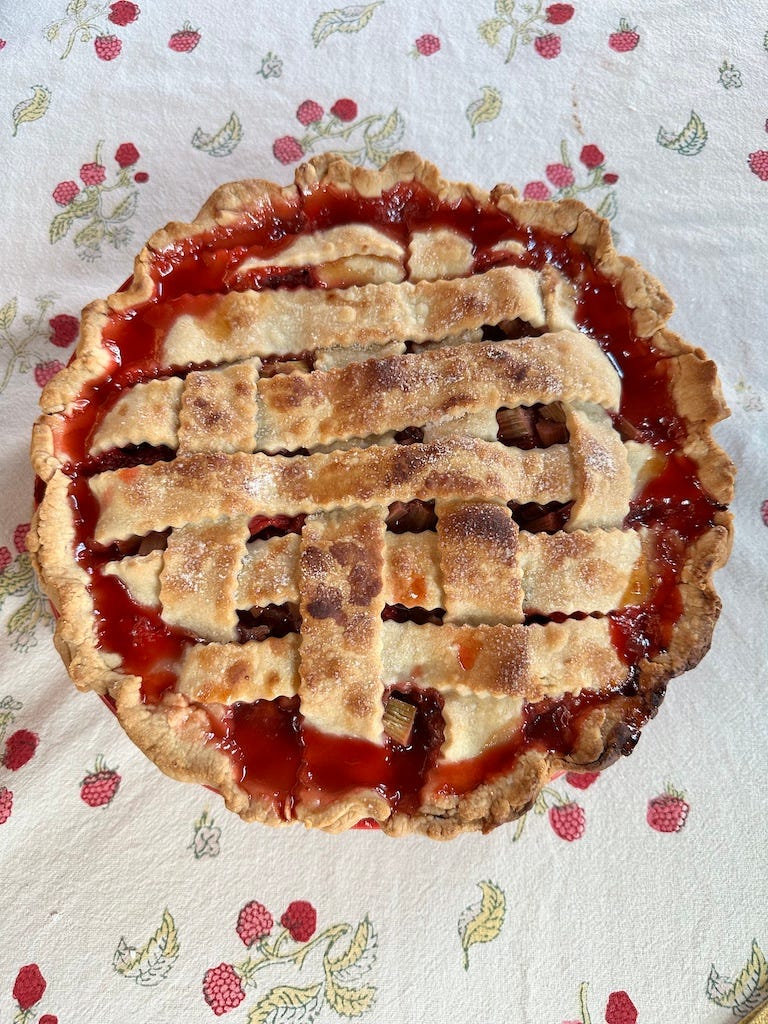
I made the pie late Saturday afternoon and decided to have it for breakfast. I mean when you make a pie and have leftovers it’s the rule that you’re allowed to have a slice for breakfast. Hell, even if you didn’t make it yourself, even if you go out and buy a pie for breakfast, that works, too.
Pie for breakfast is the law.
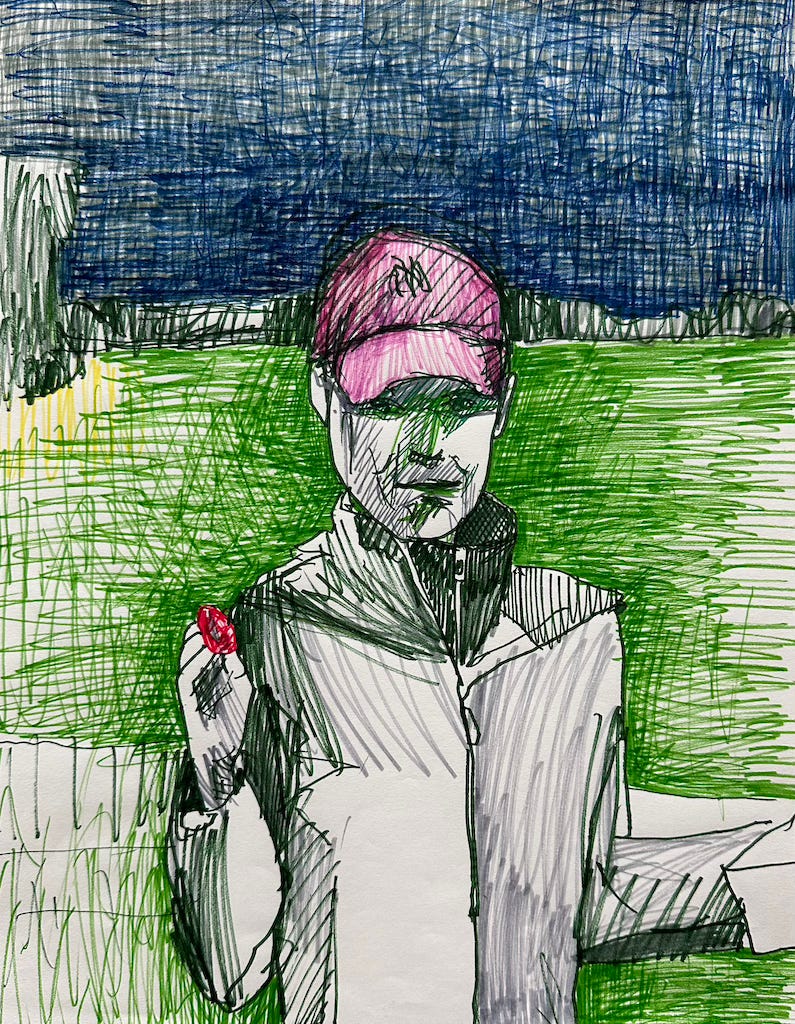
I packed up the first slice the next morning for my buddy who has a place up in the hills. This is a local friend who once gave me the shirt off his back as a gesture of affection. He was headed to load a pile of wood in his pickup. He brought his dog, a thermos filled with coffee, and a slice of my pie—his reward after he finished stacking.
He didn’t last. Ate the pie and drank the coffee before he started working. Texted a picture of his truck parked in the woods.
The Wife and I decided to wait until midday for our first slices. We added vanilla ice cream and whipped cream to gild the lily.
Tart and sweet, creamy and sweet, and altogether happy making. No matter when you eat it. Or where. On a European windowsill or an ocean away deep in the lush forest and shade of a June day in Vermont where it’s light after nine o’clock even though the days have started to grow shorter, the green on the trees not yet faded by the long summer ahead.
So inviting ….. amazingly beautifully written
Delicious!!😋😋